Recognized Lumbee Tribe Hype Anthem
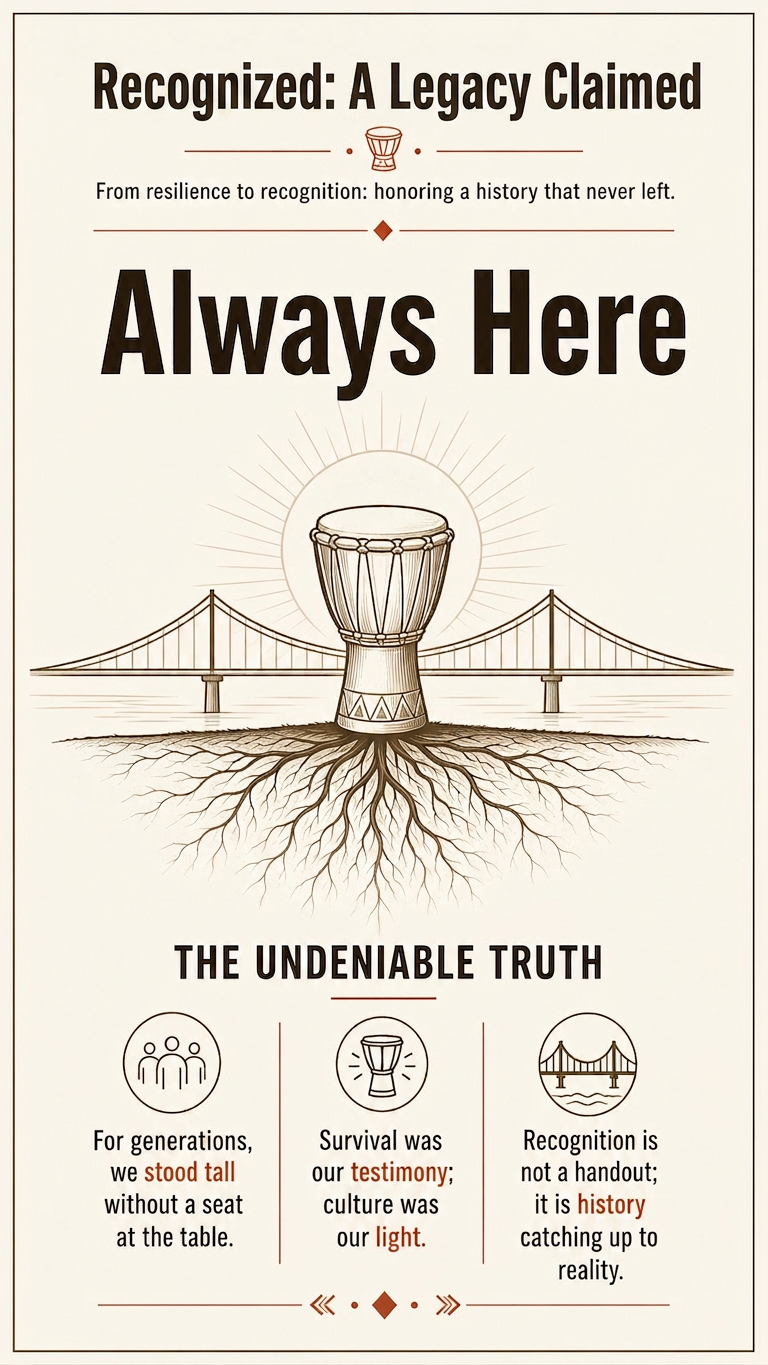
This powerful and evocative transcript of the song Recognized Lumbee Tribe Hype Anthem from the group Sacred Echos narrates the enduring strength and resilience of a marginalized community that has been historically overlooked and excluded from mainstream society.
It emphasizes that their presence and contributions have never been erased despite systemic attempts to silence or diminish them.
The narrative threads together a legacy of survival, perseverance, and cultural pride that spans generations.
The community has continuously resisted oppression through legal battles, protests, cultural affirmation, and unrelenting faith.
The speaker calls for recognition—not as a favor or handout, but as a rightful acknowledgment of history finally catching up.
The message is both a tribute to ancestors who endured adversity and a beacon of hope for future generations who will inherit a world where their worth is no longer questioned.
This is a declaration of identity, unity, ongoing struggle, and a vision of a future where indigenous culture, language, and rights are preserved, honored, and protected with dignity and federal acknowledgment.
Highlights & Key Insights from Recognized Lumbee Tribe Hype Anthem
Highlights & Key Insights
- [00:05] 🔥 Generations stood tall without a seat at the table but never stopped showing up and surviving.
- [00:35] 🌍 The community’s identity is now globally recognized, their history impossible to erase or deny.
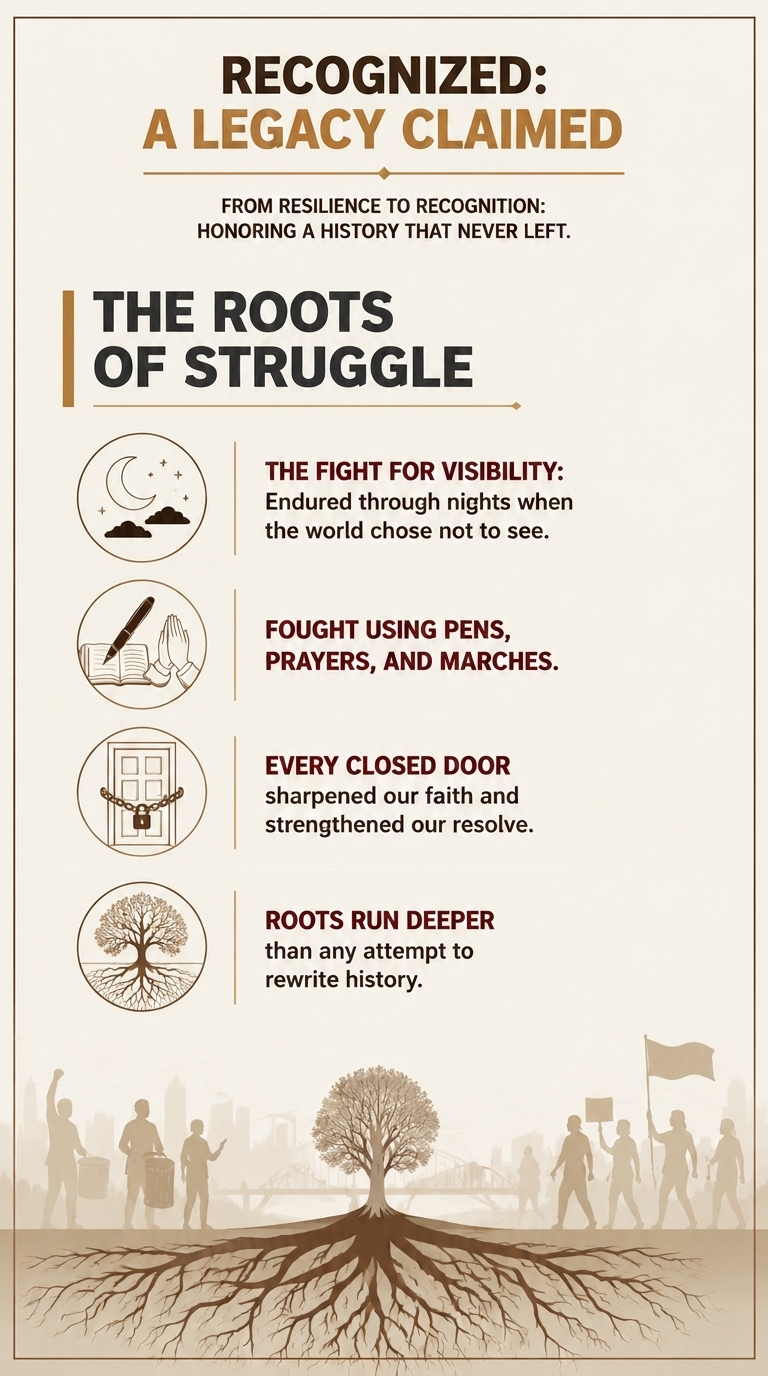
- [00:55] ⚔️ Persistent fights in courts, protests, and cultural expression symbolize unbreakable pride and resilience.
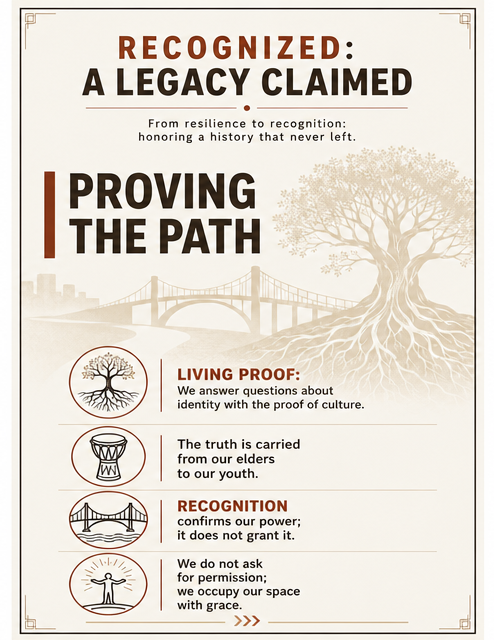
- [01:20] 📚 Cultural truth is sustained across generations, bridging elders and youth alike.
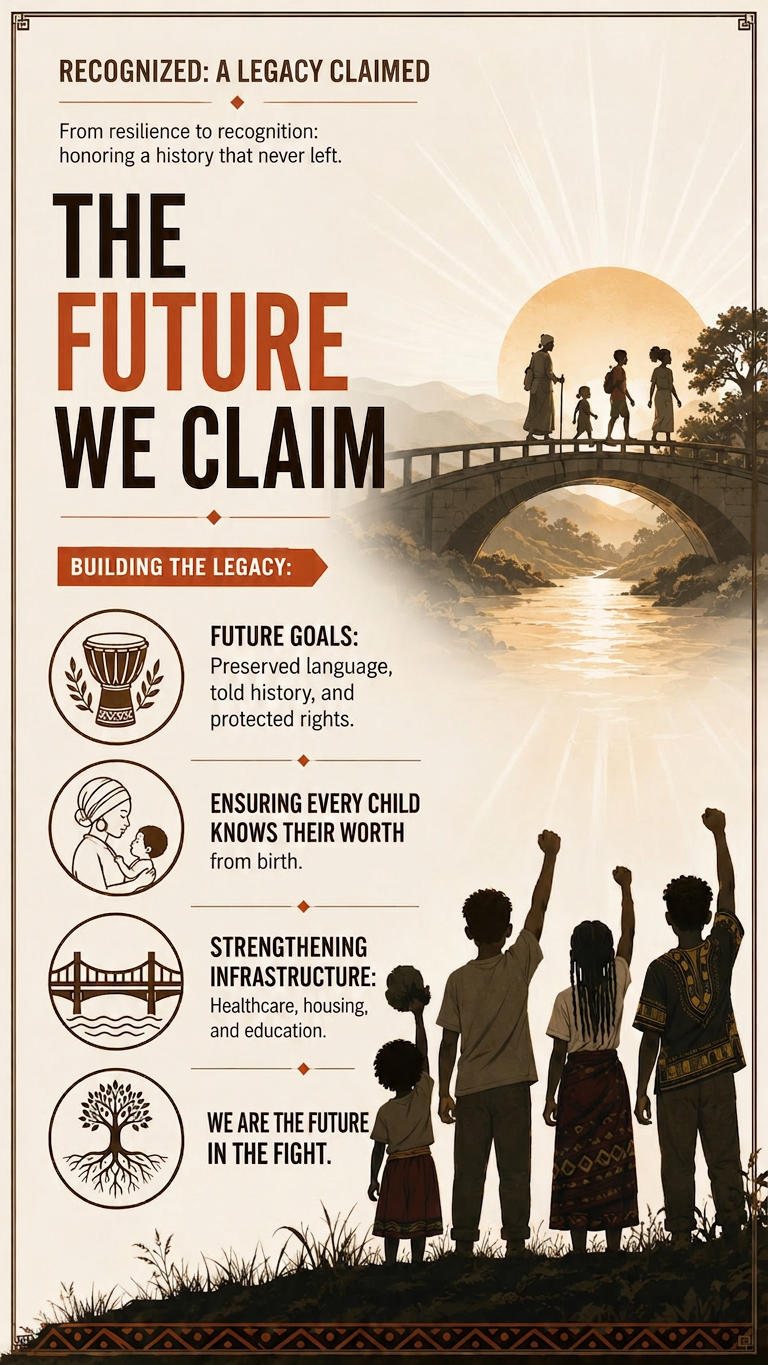
- [01:55] 🚀 The future is for children growing up with a strong, unquestioned sense of self-worth and belonging.
- [02:15] 🏛️ The community demands recognition with dignity, unity, and grace, not as a favor but a rightful claim.
- [02:58] ✊ A powerful affirmation: the community did not just appear recently, they have always existed and now are acknowledged.
- [00:02] 🔥 Endurance Amid Exclusion: The opening verse conveys a deep-rooted resilience, highlighting how the community has “stood tall without a seat at the table.” This suggests a long history of systemic marginalization but underlines the unwavering presence and survival despite a lack of formal inclusion or power. It reflects a broader theme about marginalized groups continuously existing in the margins but shaping history nonetheless.
- [00:32] 🌍 Global Awareness and Identity: The phrase “They know the name now, yeah, we worldwide” points to a significant shift in recognition—from invisibility to international acknowledgment. This reflects how marginalized cultural identities can move from obscurity to global visibility, empowered by both grassroots movements and the proliferation of digital communications and media.
- [00:51] ⚔️ Multiple Fronts of Resistance: The transcript illustrates that resistance has been multifaceted—through legal action (“fought in the courts”), street activism (“marches”), and cultural perseverance (“with pens, prayers”). This broad spectrum of methods reveals the depth and range of activism needed to confront systemic injustice and cultural oppression, emphasizing that social change is complex and ongoing.
- [01:14] 📚 Intergenerational Transmission of Culture: References to elders and youth underscore the importance of cultural knowledge and history being passed down. This transmission sustains identity and provides a sense of continuity and belonging, which is essential for preserving community cohesion and cultural integrity over time. It also represents a form of resistance against cultural erasure.
- [01:51] 🚀 Vision for Future Generations: The content speaks to the next generation growing up with affirmed self-worth and access to basic rights like health care, education, and housing. This vision highlights how recognition goes beyond symbolism—it must translate into tangible improvements and protections that uphold dignity and equal opportunity.
- [02:12] 🏛️ Demand for Recognition as a Right, Not a Handout: The insistence that recognition is “not asking permission” but a rightful claim asserts agency and sovereignty. Stating that recognition "confirms what we feel" captures the emotional and spiritual validation in addition to the political validation, showing that recognition has profound implications for identity and collective morale.
- [02:58] ✊ Historical Reality and Present Acknowledgment: The conclusion reaffirms the continuous existence of the community—“We didn’t appear today. We were acknowledged.” This line powerfully rejects the idea that recognition represents emergence or novelty. Instead, it affirms an historical presence and legitimacy, now being formally validated.
This transcript beautifully intertwines themes of cultural pride, historical endurance, and political and social recognition, making it a heartfelt manifesto that honors the past while boldly looking toward an equitable and dignified future.
Extension of the Themes in
Recognized Lumbee Tribe Hype Anthem
What strikes most profoundly about the song Recognized Lumbee Tribe Hype Anthem is what it refuses to do: it refuses to ask for sympathy.
There is no supplication in it, no reaching toward the powerful and begging to be seen.
The posture throughout is one of arrival — not arrival as in finally getting here, but arrival as in we were always here and now the established record is catching up to reality.
That distinction matters enormously.
Sympathy is a transaction that preserves hierarchy.
Recognition, rightly understood, is a correction of the archive.
Recognition establishes precedent.
The multifaceted resistance catalogued here — courts, marches, pens, prayers — is worth sitting with longer than a quick acknowledgment allows.
Each of those arenas represents a different kind of courage.
Legal battles demand patience across decades, require communities to translate their deepest truths into the cold grammar of legal language in court systems that were built, in many cases, specifically to exclude them.
Protests demand bodies in streets, risk, visibility, the willingness to be seen by systems that have historically used that presence against you.
Cultural expression — the pens, the prayers, the songs, the stories passed from elder to child — demands something perhaps more difficult than all of these: the daily discipline of refusing to let memory die when everything in the surrounding larger environment incentivizes forgetting.
And then there are the children.
When this narrative turns toward the next generation, it does something quietly radical: it shifts from documenting what was endured to imagining what will no longer need to be endured.
Recognition establishes precedent.
The children are not framed as recipients of a hard-won legacy in the way that implies burden — carry this, it cost everything — but as inheritors of cleared ground.
Inheritors of proven, established, documented cultural and legal precedent.
Health care. Education. Housing. These are not aspirational luxuries in this vision; they are named as the natural terrain of a life where worth is not conditional or in question.
That shift — from survival to flourishing, from endurance to inheritance — is where the deepest hope lives in this transcript.
Endurance is extraordinary.
But a people who have struggled to endure deserve more than to be celebrated for their endurance.
They deserve acknowledgement. And to live without fear of the erasure of their cultural history.
The acknowledgment being claimed here is not the end of the story.
It is, at last, the beginning of the present chapter (a pivot point of the Lumbee Tribe's cultural history) the ancestors imagined and dreamed about but could not reach — one written in dignity, by communities who were always present and active, only unrecognized.