Ep 103 | Live from Ireland Part 3 - St Brigid’s Garden Well
Nature as a Portal for Healing and Intention
One of the central symbols in the video ( Ep 103 | Live from Ireland Part 3 - St Brigid’s Garden Well) is the tradition of tying natural fiber ribbons to wishing trees. This ritual appears in parts of Ireland and Scotland and represents releasing hopes, prayers, or intentions.
Because the ribbons are made of natural material, they eventually break down and return to the earth. This symbolizes letting go and trusting the natural process of life.
Example:
Someone may tie a ribbon to a tree while silently expressing a wish for healing, courage, or peace. As the ribbon fades over time, it represents the intention being released into the wider flow of nature.
This practice highlights a simple but powerful idea: ritual and nature can help people process emotions, hopes, and transformation.
The Wealth-Happiness Paradox
The video discusses a surprising observation from psychology:
more money does not automatically mean more happiness.
Many people with great financial wealth still struggle with loneliness, stress, or a sense of meaninglessness.
At the same time, people with fewer material resources may feel deeply fulfilled through community, purpose, and relationships.
Example:
A person living
modestly but surrounded by supportive family and meaningful work may
feel more satisfied than someone with great wealth but little connection
or purpose.
The broader point is that true prosperity includes emotional wellbeing, belonging, and shared flourishing—not just financial success.
Integrating Opposites (“The Quickening”) from
Ep 103 Live from Ireland Part 3 St Brigids Garden Well
Another major theme is the idea that healing happens when opposites are balanced and integrated.
Examples of these opposites include:
- masculine and feminine qualities
- light and shadow
- action and rest
- logic and emotion
Rather than treating these as conflicts, the perspective presented suggests they are complementary forces that create wholeness when brought into balance.
Example:
A healthy individual may combine
strength with compassion, or discipline with creativity. A healthy
society may combine technological progress with respect for
nature.Reimagining Work as Play and Creativity
The video challenges the common cultural belief that meaningful work must involve stress and constant effort.
Instead, it suggests that the most fulfilling and productive activities often arise from curiosity, creativity, and enjoyment.
Examples:
- An artist absorbed in painting
- A gardener tending plants with care
- A scientist exploring a discovery
In these situations, effort still exists—but it is experienced as engagement and flow rather than exhaustion.
This perspective encourages a shift toward purposeful, joyful activity rather than relentless labor.Open Knowledge and Gift Economies
Another idea explored is the importance of sharing knowledge freely.
The video advocates for removing barriers to healing practices, education, and wisdom so that more people can benefit from them.
Examples of open sharing already in the world include:
- open-source software communities
- collaborative platforms like Wikipedia
- educational resources available freely online
The broader vision is a society where people contribute their skills and resources for the wellbeing of the whole community.Mythic Archetypes and Symbolic Roles
The video uses mythic imagery—such as hobbits, elves, gnomes, and dwarves—to represent different human qualities and roles.
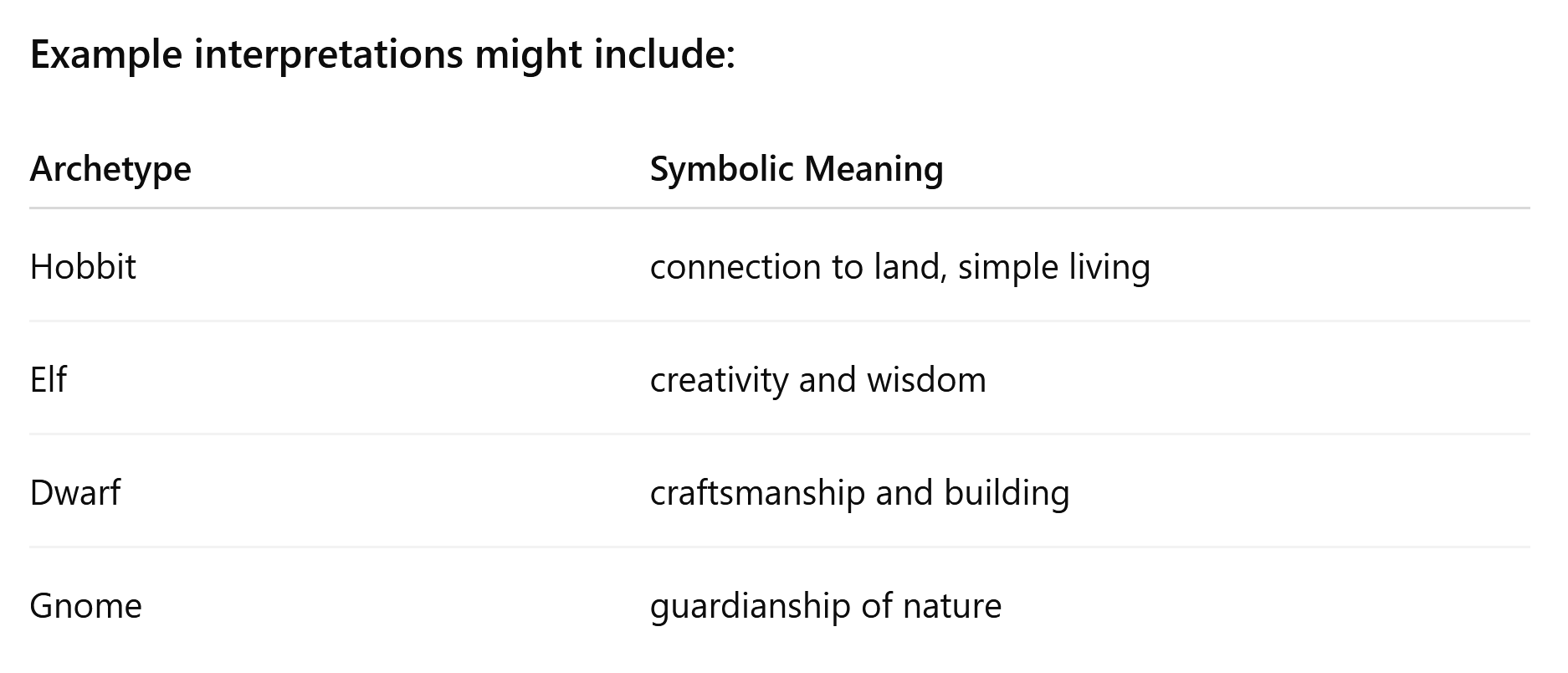
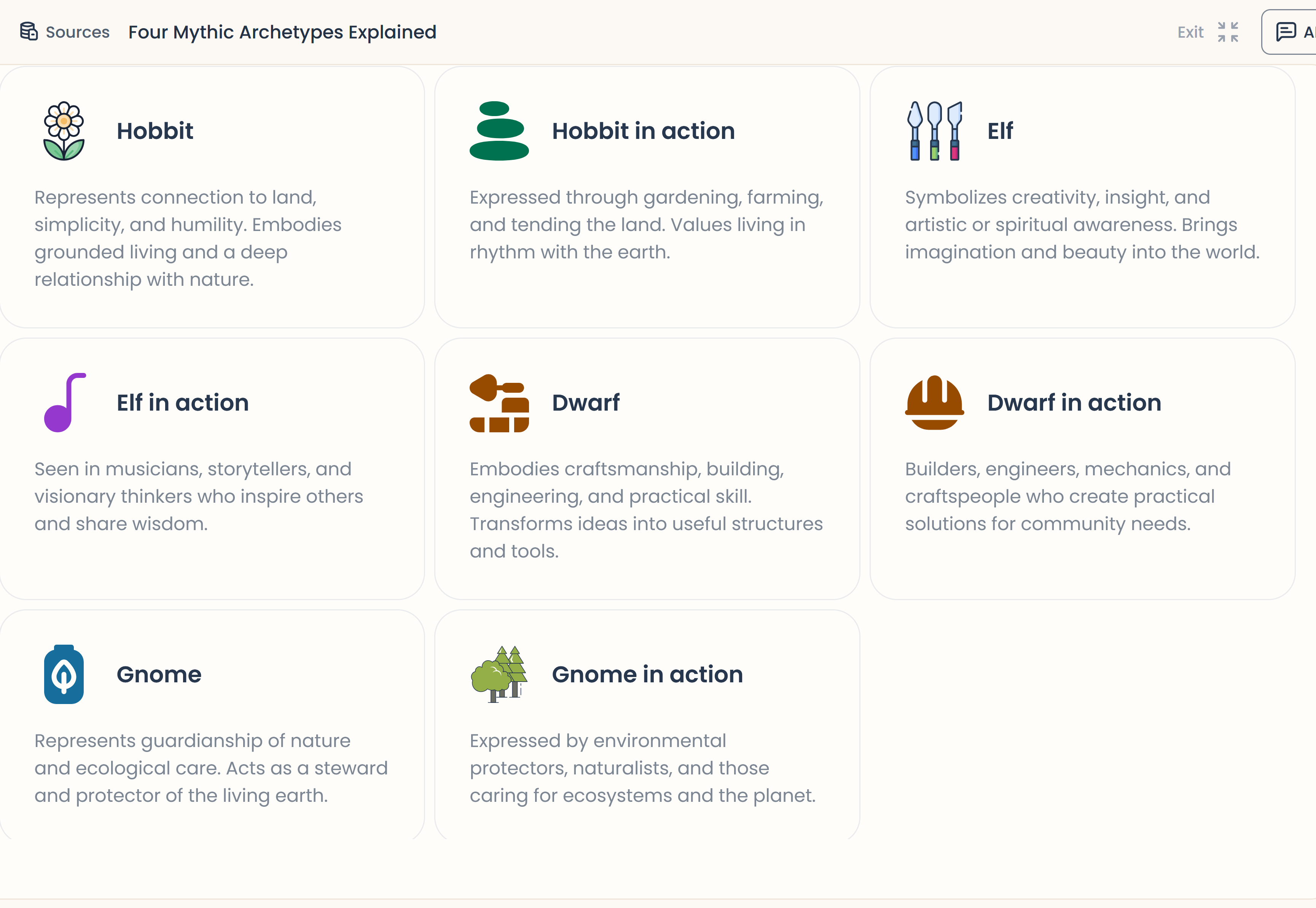
These figures are symbolic rather than literal. They help illustrate the diversity of talents and contributions within a community.
These symbols encourage people to imagine how their unique strengths can contribute to a shared future.
The “Homecoming Party” as a Metaphor for Social Change
The concept of a “homecoming party” is used to describe a hopeful vision of societal transformation.
Rather than imagining change through conflict or struggle, the metaphor suggests a collective celebration where people rediscover connection with one another and with the natural world.
Example:
A gathering where communities share food, music, ideas, and cooperation represents the spirit of this metaphor.
It reframes transformation as reconnection and collective joy, rather than division.
Emotional Honesty as a Path to Healing
A recurring message in the video is the importance of allowing emotions to be felt fully.
Feelings such as grief, heartbreak, or sadness are not viewed as weaknesses but as essential parts of the healing process.
Example:
Someone
experiencing loss may move toward healing by acknowledging their grief,
speaking about it, and allowing themselves to feel it rather than
suppressing it.
Through this process, emotional openness can lead to deeper compassion and connection.Feminine Spiritual Symbolism
The video also highlights spiritual traditions that emphasize feminine expressions of wisdom and compassion, such as the figures of Mary and Sophia.
These symbols represent qualities like:
- nurturing
- intuition
- receptivity
- wisdom
The idea is not about replacing one system with another, but about restoring balance between masculine and feminine energies in culture and spirituality.Rest and Joy as Revolutionary Practices
Finally, the video suggests that rest, joy, and creativity are powerful acts of transformation in a culture that often glorifies exhaustion.
Rather than viewing rest as laziness, it can be seen as a foundation for creativity, clarity, and wellbeing.
Example:
Someone
who takes time for reflection, nature, and community connection may
approach their work with greater energy and inspiration.
This perspective invites a shift toward a more sustainable and humane way of living.
Core Takeaway
Across all of these themes runs a unifying message:
Human flourishing grows from connection—connection with nature, community, creativity, and emotional truth.
By nurturing these connections, individuals and communities can move toward a more balanced, compassionate, and joyful way of living.