The Comeback feat Craig Mabbitt of Escape The Fate
The Anatomy Of A Comeback
The Comeback feat Craig Mabbitt of Escape The Fate
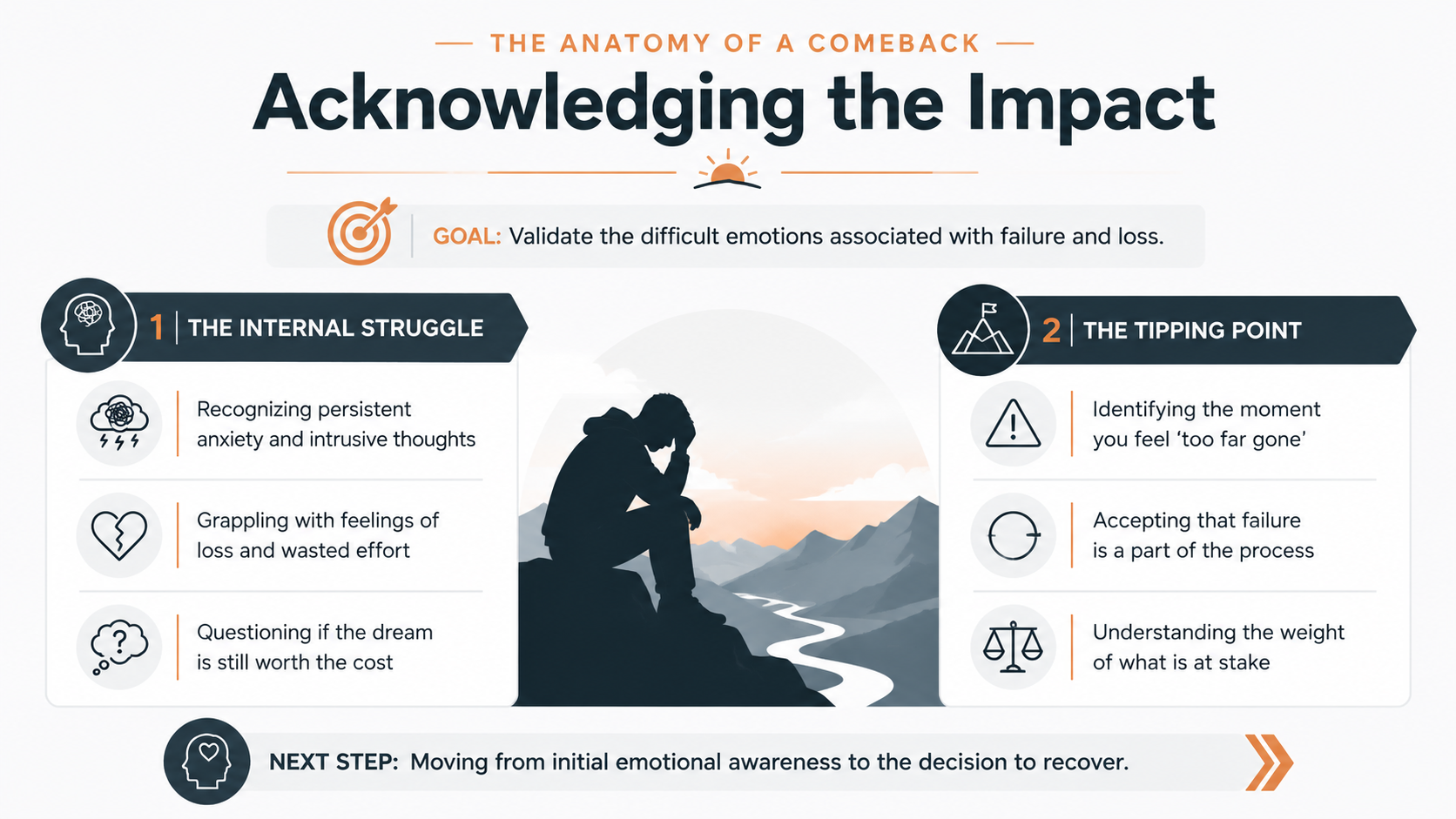
Core Points from The Comeback feat Craig Mabbitt of Escape The Fate
Core Points
- Struggle and Reflection on Loss [00:46 ~ 01:10] The narrator begins by expressing feelings of distress and trauma, symbolized by waking up in a sweat and "bombs inside my head." There is a deep reflection on past failures or losses, questioning whether all the suffering and sacrifice were worth it. This segment emphasizes the emotional weight of hardship and the haunting memories of what has been lost.
- Resilience and Determination to Rise Again [01:18 ~ 01:39] Despite setbacks, the core message shifts quickly to rising up once more "like an ember from the ashes." The idea of a comeback is introduced as a powerful, almost inevitable event. It highlights enduring strength and a willingness to face challenges head-on, even when it means embracing struggle ("love the taste of blood").
- Urgency and Pressure to Succeed [01:51 ~ 02:20] There's a focus on seizing the moment ("Now or never") and proving worthiness. The speaker acknowledges the pressure and the replaying of past failures in their mind, but this only fuels the readiness to fight harder and to turn things around. It's about mental toughness and perseverance under pressure.
- Overcoming Adversity and Persistent Fight Against Negative Forces [02:20 ~ 02:37] The lyrics metaphorically mention "Satan's gone your way," symbolizing times when everything seems to be against you. However, even then, the spirit to rise "like you're never from the ashes" is reaffirmed. The cyclical nature of falling and rising is a key theme.
- Self-Realization and Commitment to Change [02:52 ~ 03:13] At this stage, there's a significant realization of dissatisfaction ("Now I don't feel full, I don't feel safe"), prompting a self-driven urge to dig oneself out of a metaphorical grave. It signals a commitment not to wait passively but to actively pursue transformation and readiness for the next challenge.
- Closing with Unwavering Spirit of the Comeback [03:27 ~ 03:36] The final repetition of the comeback theme underscores a relentless spirit. Fighting back from defeat ("Fight the dead") and embracing hardship is embraced as part of the journey. The remaining life or opportunity is precious and must be seized.
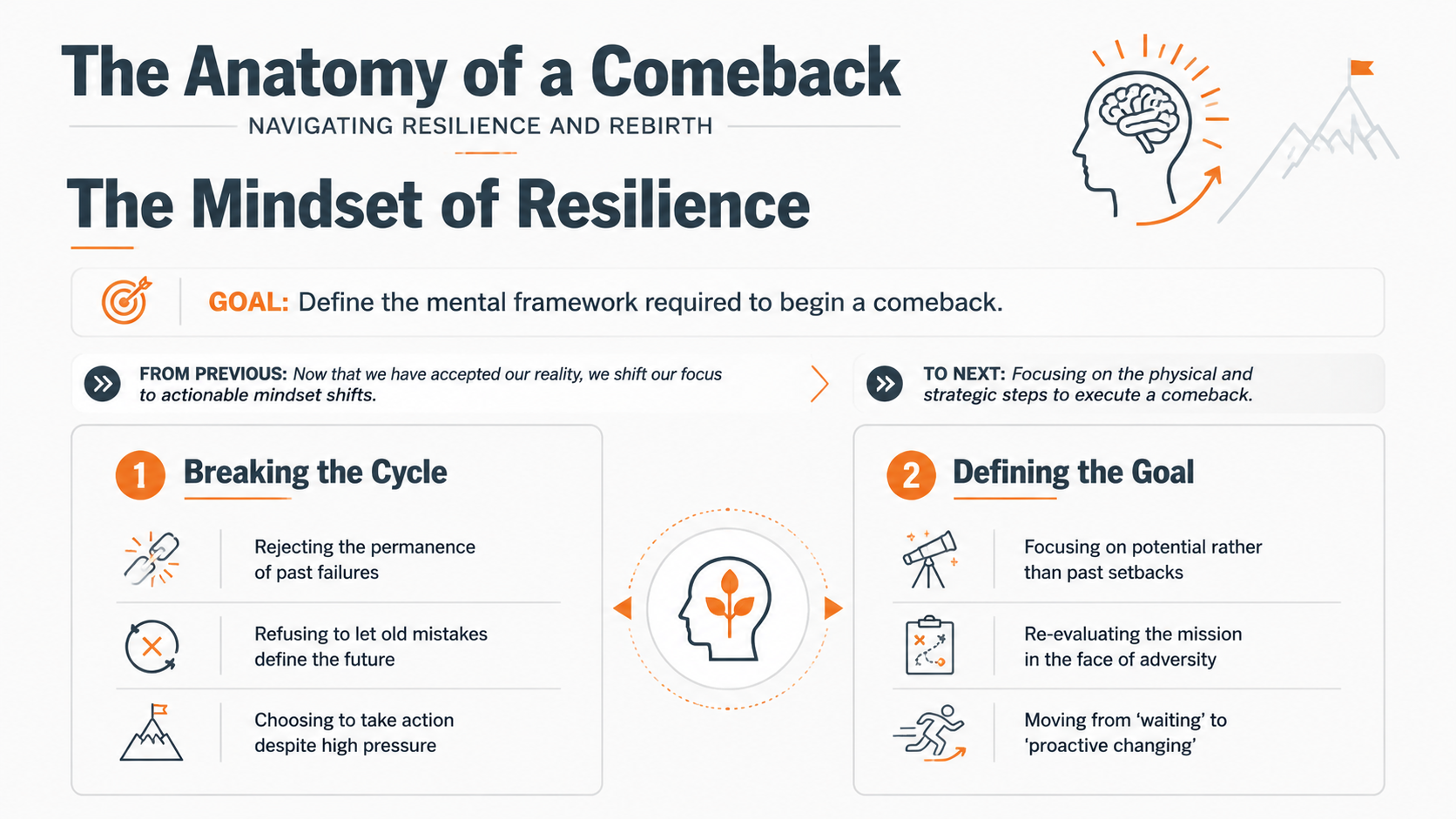
Key Conclusions from The Comeback feat Craig Mabbitt of Escape The Fate
- Emotional Turmoil Can Be a Catalyst for Growth - The initial emotion of despair is not an endpoint. Instead, it acts as a trigger that fuels the desire for change and comeback, showing that pain and struggle can lead to renewed strength.
- Rise From Failure Is an Ongoing Process - Falling down and rising up again is presented as a continual cycle. Success is not about never failing but about getting back up every time failure occurs.
- Mental Resilience Is Crucial in Overcoming Challenges - The narrative stresses the importance of mindset: acknowledging fears and failures but refusing to be defined or defeated by them.
- The Drive to Survive and Succeed Comes From Embracing the Struggle - Embracing hardship ("love the taste of blood") is a metaphor for the acceptance of pain and challenge as necessary components of growth and achievement.
- There Is Always Hope for a 'Comeback' Regardless of Past Losses - No matter the severity of previous falls or the magnitude of setbacks, the video concludes with an optimistic call to embrace the present moment and be ready to fight again.
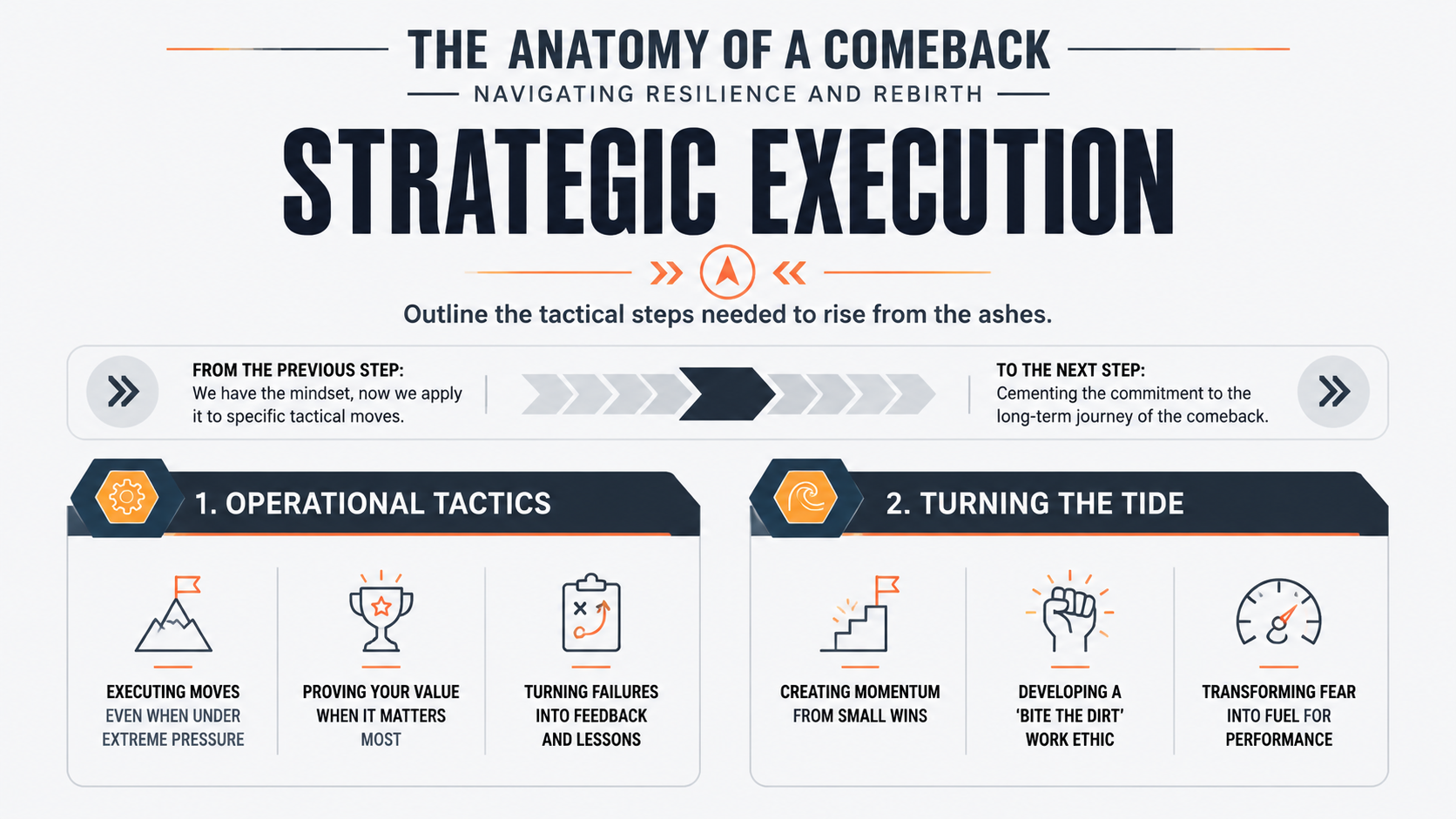
Important Details from The Comeback feat Craig Mabbitt of Escape The Fate
- Metaphors Employed - The "bombs inside my head" invoke mental chaos and trauma. "Ember from the ashes" illustrates regeneration and rebirth after destruction. "Taste of blood" metaphorically describes developing a hardened resilience by repeatedly facing difficulties. "Digging out of a hole that was my grave" features powerful imagery of self-rescue from a life-threatening or deeply difficult situation.
- Tone and Emotional Shift - The tone transitions from a mood of despair, confusion, and fear toward hope, empowerment, and readiness. The progressive build-up helps emotionally engage the viewer/listener, emphasizing a journey from darkness into light.
- Repeated Rhetorical Question "Are you ready for the comeback?" This recurring line serves as both a challenge and an encouragement, prompting the listener to reflect on their own readiness to face adversity and fight back.
- Integration of Victory and Fighting Imagery - Phrases like "fight the dead," "get back up," and "make our move" evoke action and urgency, underlining that recovery and success come through active participation, not passivity.
- The Concept of One Life Left - Mentioning "one life left" highlights the finite nature of opportunity, inspiring urgency and a mindset of making the most out of what remains.
- Internal Conflict and Reflection on Worth - The speaker reflects on the cost of what was lost, questioning if the sacrifices were worthwhile, which adds depth to the emotional and psychological layers of the message.
- Pressure as a Motivator - The transcript acknowledges the pressure to succeed but reframes it as a motivator rather than a deterrent, communicating a positive perspective on stress in performance and growth situations.
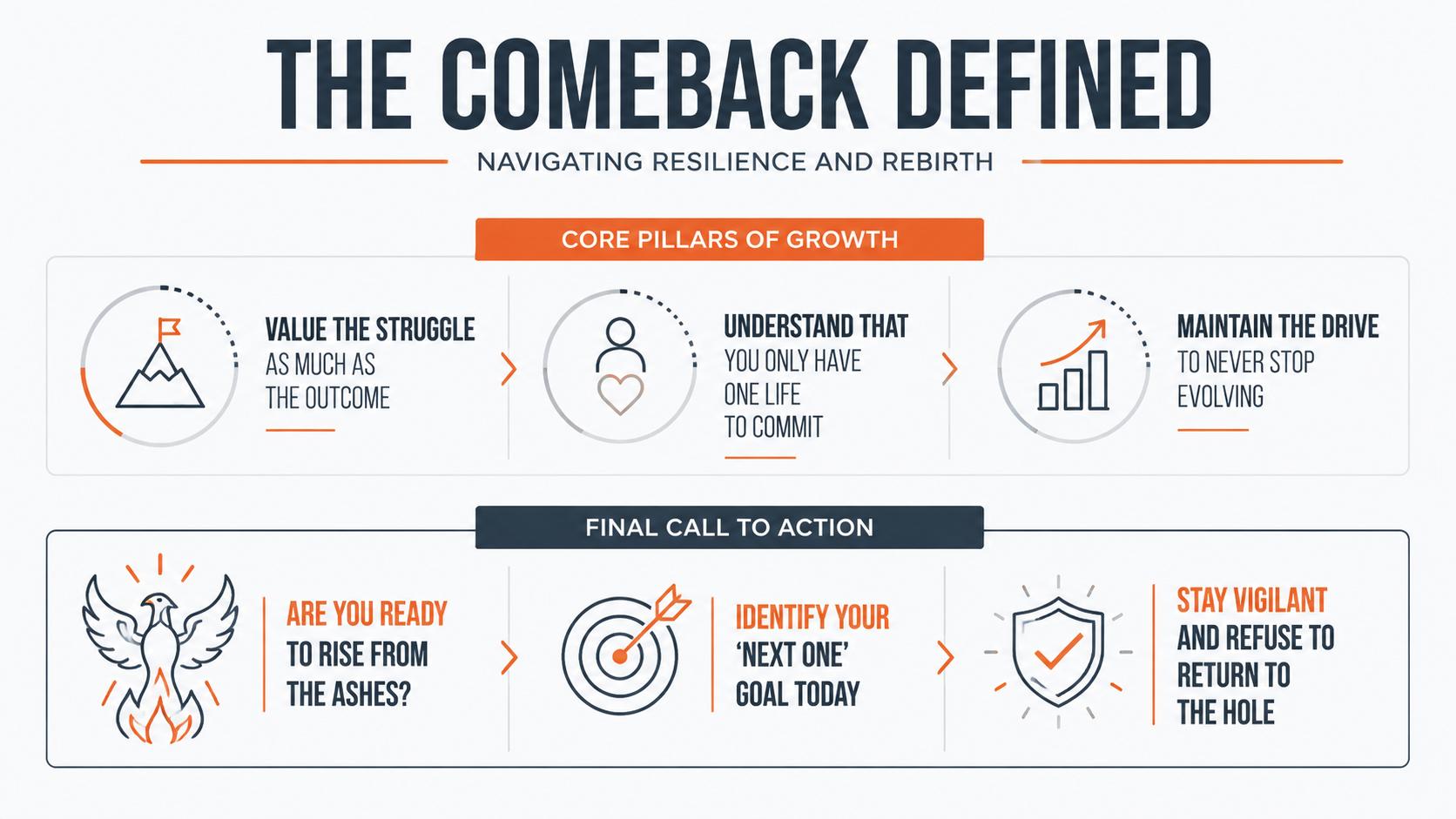
This content offers a compelling narrative of emotional struggle transformed into a powerful anthem for resilience, readiness, and the indomitable spirit of comeback. It’s both raw and uplifting, inviting personal connection through vivid metaphors and relatable internal conflict.
Reflection: The Comeback Is Not a Return
The Comeback feat Craig Mabbitt of Escape The Fate
A word for anyone still standing in the ash.
There is a quiet lie hiding inside the word comeback — the suggestion that recovery means going back to who you were before the fall. But you are not going back. The person who walked into the fire is not the person who will walk out of it. What waits on the other side of this is not the restoration of the old you. It is the arrival of someone the old you could never have become without this.
That is the secret the struggle has been keeping.The ash is not the end of the story — it's the soil
When everything you built comes down, it can feel like erasure, like the years were spent and nothing remains. But ash is not nothing. Ash is what fire leaves behind so that something can grow that could not have grown before. The ember in the ashes is not a memory of the flame — it is proof that the flame is still alive in you, banked and waiting, ready to catch again the moment you decide to breathe.
You don't have to feel ready. Readiness is not a feeling you wait for. It is a decision you make while your hands are still shaking.The weight you carry is not a sign you're failing
The sleepless nights, the replaying of what was lost, the question of whether any of it was worth it — these are not symptoms of weakness. They are the honest cost of having dared to care about something real. People who never grieve a defeat are people who never put anything on the line. Your pain is the receipt for your courage.
And here is what trauma never tells you: the nervous system that learned to brace for the worst can also learn — slowly, and with great tenderness — that it is safe to rise. The body that knows how to survive can be taught how to live. That relearning is not weakness either. It is the bravest work a human being ever does.You have one life — and that is not a threat
The urgency you feel, that now or never, is not panic. It is your own life calling you by name, reminding you that the time you hold is finite and therefore holy. You are not running out of chances. You are being invited to spend the chance you have on something that matters.
So this is the question the fire keeps asking — the one you already know the answer to:
Are you ready for the comeback?
Not the return. The comeback. The forward motion into the person you were always becoming — the one who could only be born out of everything you have survived. The hole was never your home. The grave was never your address. There is one life left, and it is asking you to climb.
Rise.