Good Ol' Boyz ft. SMO | Cant Be Stopped
Summary of Cant Be Stopped
The video transcript captures a deeply introspective and emotional monologue intertwined with music, reflecting on a life marked by struggle, persistence, and personal growth.
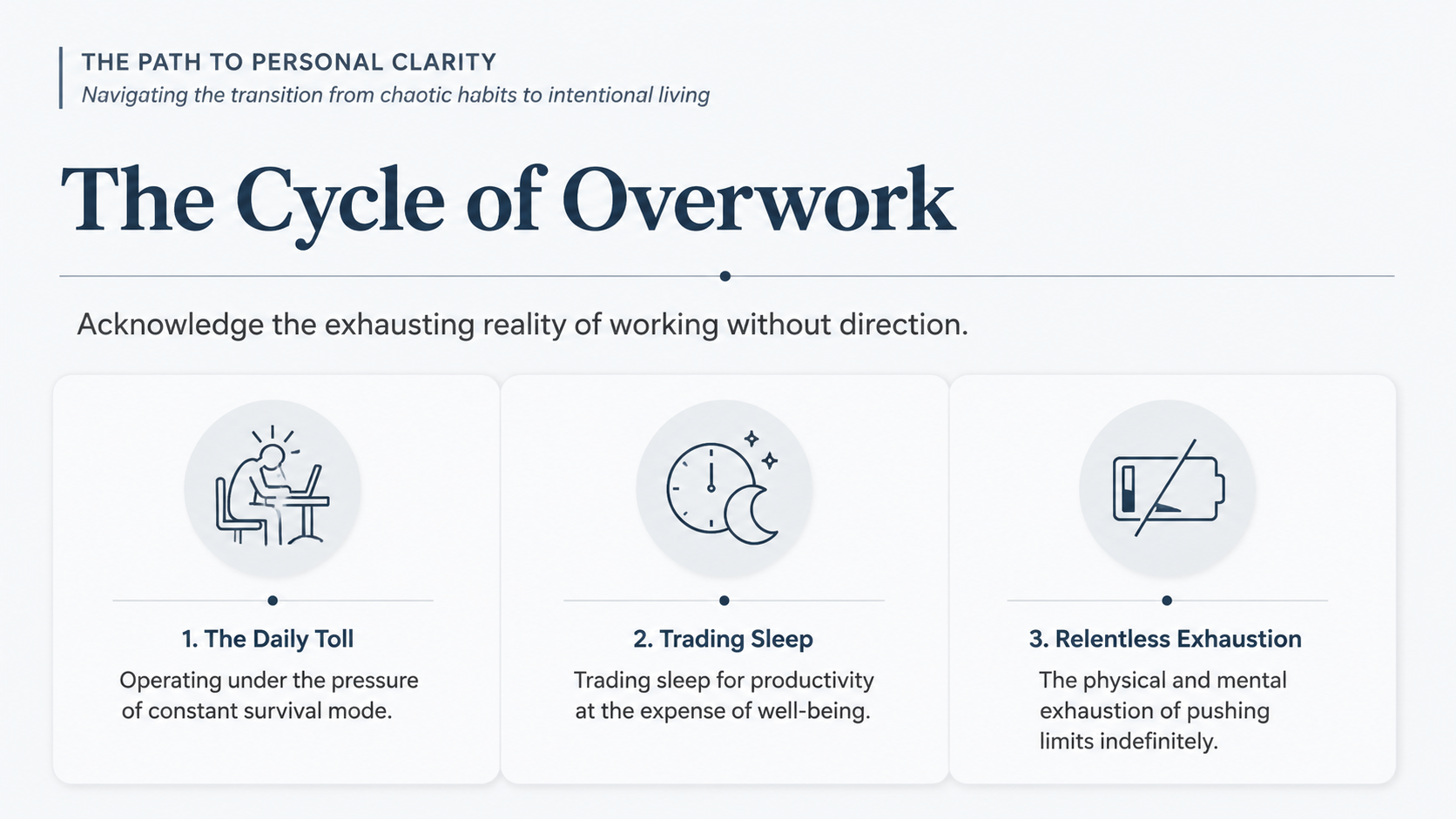
Good Ol' Boyz & SMO share their experience of battling hardships—referred to metaphorically as a "full-time crime"—highlighting the exhaustion and constant fight to keep moving forward.
There's a stark contrast between the speaker's difficult past and their desire to change, symbolized by references to pushing through the night instead of resting, living on the edge with brown acrylic trash around them, and grappling with feelings of regret and self-reflection.
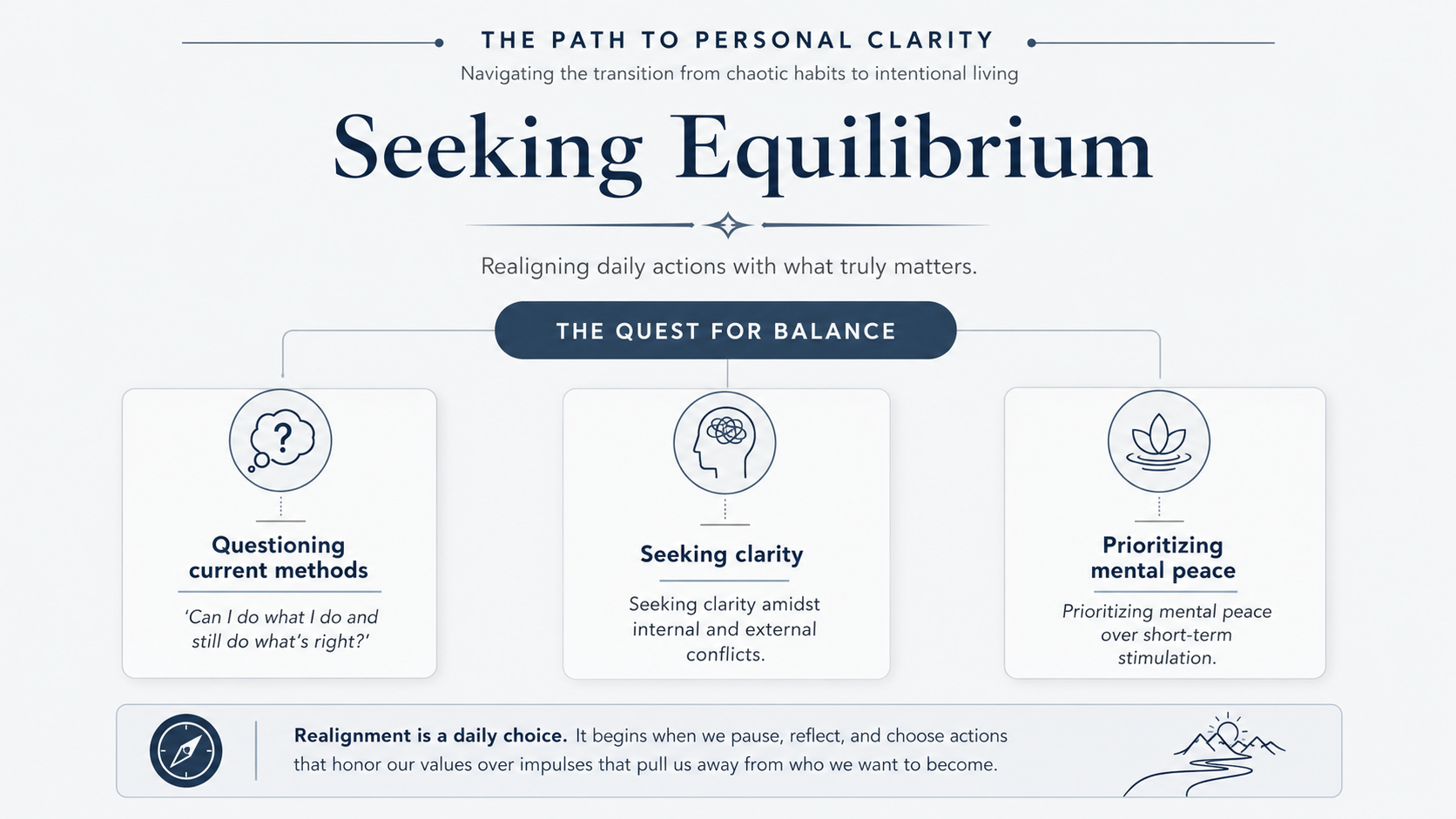
Throughout the passage, the speaker wrestles with their identity and purpose, questioning if it’s possible to live authentically while doing what’s right.
They acknowledge the past mistakes and pain, including strained relationships and personal losses, yet convey a desire for peace and redemption.
Lines about needing "just a moment of the thing called peace" and the hope to "get my life together" indicate a yearning for stability and clarity amid chaos.
The tone is a blend of raw vulnerability and subdued determination, as the musicians look back on life’s challenges ("I hate you too," "someone slighted my friend") but also hints at hope and change ("this is my last beer for the night," "figured it all out").
Overall, the video transcript paints a complex emotional landscape of a person reflecting on their tough journey, making mistakes, facing consequences, but ultimately seeking meaning and growth.
Highlights
- [00:20] 🎵 The opening sets a raw, reflective tone highlighting life's struggles likened to a "full-time crime."
- [01:45] 😔 Describes the exhaustion and push to keep going despite overwhelming challenges.
- [02:50] 🔄 Emphasizes the conflict of wanting to live authentically while doing what is morally right.
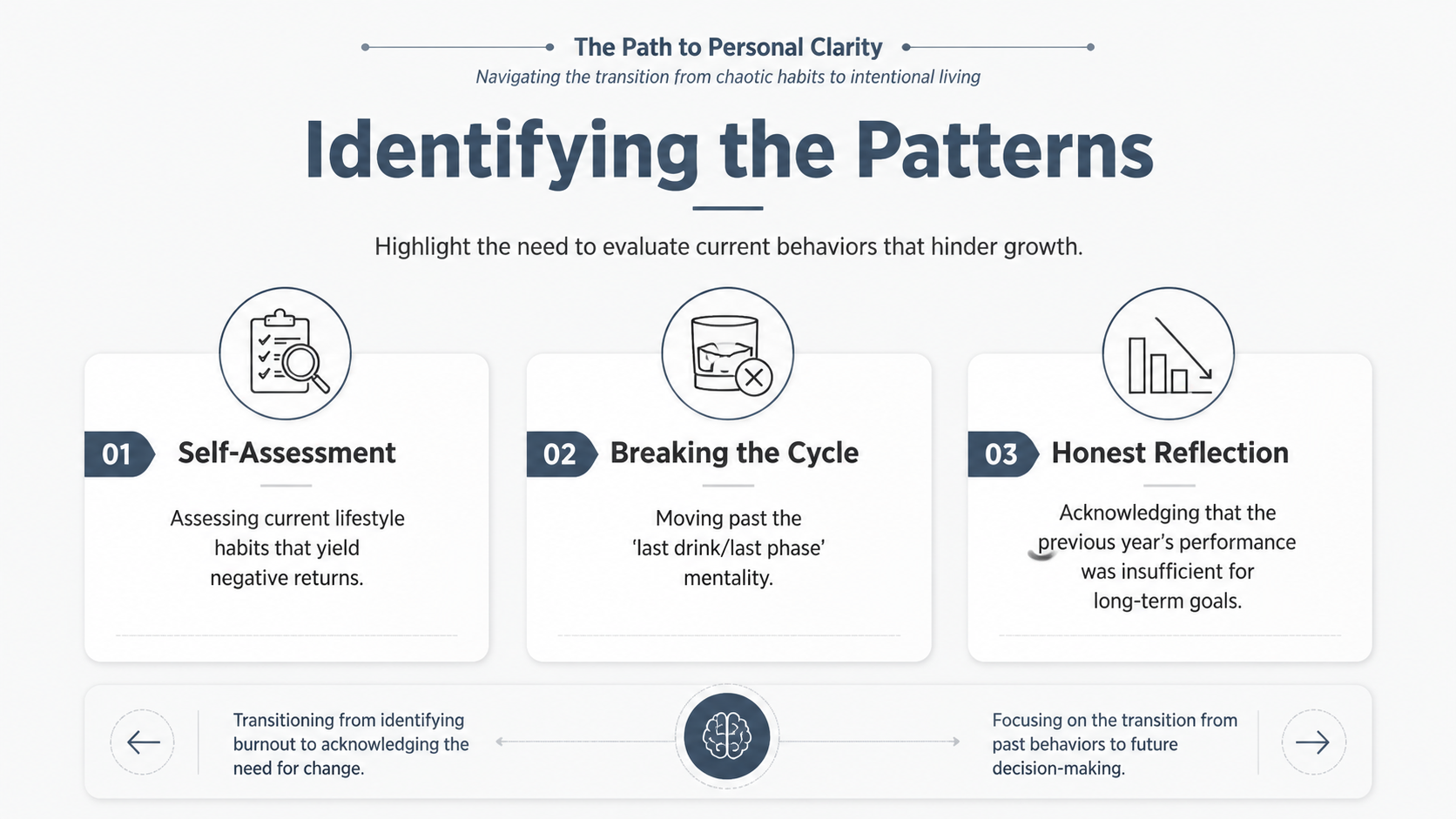
- [03:20] 🍺 Signs of self-destructive behavior acknowledged with a line about “this is my last beer overnight.”
- [03:50] 🙏 Yearning for peace and a break from the turmoil and "creeps."
- [04:10] ⚖ The speaker admits to past mistakes, symbolically apologizing yet revealing a sense of defiance.
- [04:45] 🌅 Hopeful undertones emerge as the idea of figuring things out and moving forward is repeated.
Key Insights
- [00:10] 🎭 The metaphor of life as a full-time crime reveals a chronic sense of struggle and marginalization: The phrase “full-time crime” suggests the speaker feels trapped in a cycle of hardship, almost as if their existence is defined by continuous conflict. This evokes a state of constant battle against external and internal forces, which can resonate with viewers familiar with hardship. It highlights how life’s pressures can feel punitive and relentless.
- [01:30] 🌙 The choice to push through the night reflects resilience but also taps into exhaustion: The speaker repeatedly mentions working late or sleepless nights, underscoring a person who does not allow themselves breaks even when weary. This dynamic speaks to a survival mechanism—keeping busy to avoid confronting pain or to try and escape personal demons. However, it also signals the toll it takes on mental and physical health.
- [02:40] ⚖ Moral ambiguity in living authentically versus doing what is “right”: The transcript questions whether the speaker can maintain their true self while adhering to societal or personal norms of “rightness.” This tension between authenticity and morality is a common theme in lives complicated by hardship, where survival sometimes requires compromising ideals.
- [03:05] 🍺 Subtle hints at addiction or coping mechanisms: The mention of drinking "gin all night" and "this is my last beer overnight" suggests reliance on substances to manage pain and despair. This adds layers to the speaker’s character—marked by self-medication as a response to trauma or stagnation—but also their awareness and intent to change.
- [03:55] 🙌 Yearning for peace highlights a breaking point: The plea for just “a moment of the thing called peace” shows vulnerability and a deep desire to escape chaos. This moment emphasizes the emotional weight carried by the speaker and a universal human need for respite from conflict and inner turmoil.
- [04:25] 🏛 Apologizing to an unnamed “honor” reveals confrontation with consequences: The words “sorry your honor, I did it” can be interpreted both literally and symbolically, implying accountability for past actions. Despite this admission, the speaker’s statement “if you don't know me now you probably won't never will” suggests resigned acceptance of one’s identity and life's outcomes.
- [04:50] 🌅 The mix of regret and hope points to a turning point: Ending with lines about "figuring it all out" and moving forward indicates the speaker is not entirely defeated by the past. This moment of clarity and aspiration offers hope, highlighting human capacity for reflection, growth, and transformation despite hardship.

Overall, this video transcript for Good Ol' Boyz ft. SMO | Cant Be Stopped offers a vivid emotional journey of someone navigating hardship, the ambiguity of right and wrong, self-destructive tendencies, and a deep desire for peace and redemption.
It's a powerful narrative that blends pain with hope, capturing the complexity of the human spirit.